From Shoe Box to System: The Twenty-Minute Receipt Habit That Stops the Scramble
Photo: TanvirSdq, CC BY-SA 4.0, via Wikimedia Commons
There's a particular sound a shoe box makes when you shake it. Papery. A bit guilty. If there's one on top of your wardrobe, under the desk, or rolling around in the boot of the car, you know the sound I mean.
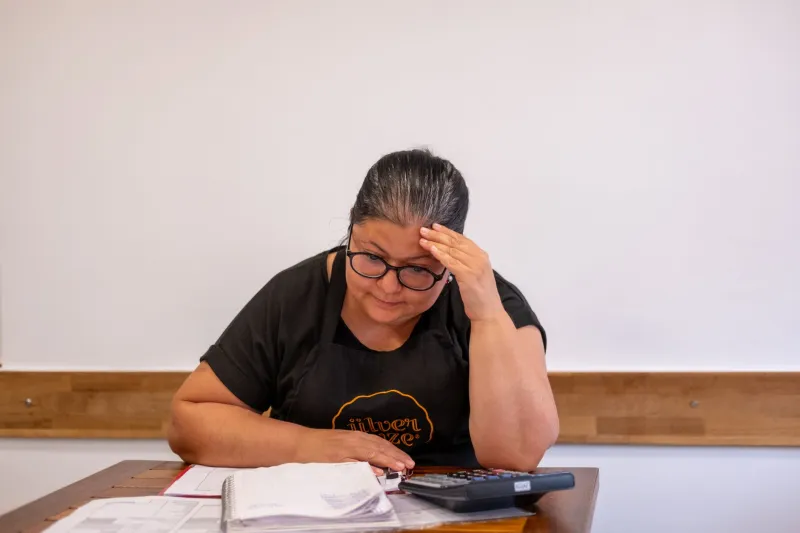
Nobody ends up with a shoe box of receipts because they're slapdash. They end up with one because filing is a task that expands to fill whatever time you give it — so it gets pushed to the evening before a deadline, when it stops being admin and becomes an emergency. The answer isn't a cleverer app or a personality transplant. It's a smaller habit.
Why the pile always wins
A pile of receipts is a decision-deferral machine. Every scrap in it asks the same question — is this one important? — and you can't answer without context you no longer have. Which card was it on? Was that the van service or the personal one? Was it even a business cost?
Answer those questions the week they happen and they take seconds. Answer them in April and they take an evening. Same information, wildly different price. So the routine below is built around one rule: never let a receipt get older than seven days without a name on it.
The twenty-minute weekly slot
Pick a fixed slot — Friday at four is popular, because it doubles as a tidy-up before the weekend. Twenty minutes, kitchen table, phone, laptop if you have one, and the week's scraps gathered into a single pile rather than scattered across three rooms.
1. Snap (six minutes)
Photograph everything in one batch. Not artistically — flat, in focus, whole receipt including the date and the total. Daylight near a window is plenty; most phone cameras cope fine.
Do the paper first, then the emails. Anything that arrived as a PDF invoice is already a photo — move it rather than re-shoot it.
2. Name (six minutes)
This is the step everyone skips and the only one that really matters. Rename every file to the same pattern:
2026-11-14 - [Screwfix](https://en.wikipedia.org/wiki/Screwfix) - 42.18 - van parts.jpg
Date first, because it sorts correctly and matches your bank statement. Then who, then how much, then what it was for. One pattern, every time, means you can find a receipt by scrolling instead of opening forty files.
3. File (four minutes)
One folder per tax year, one subfolder per month. That's the whole structure. Not a folder per supplier, not a colour-coded taxonomy — those collapse in the first busy week and you're back to the box. A single folder per year also works, as long as the filenames carry the date.
4. Tick (four minutes)
Open the bank app or statement for that same week and tick each receipt off against the transactions. Anything on the statement with no receipt gets a quick search of your inbox; anything you genuinely can't find, note it and move on.
This is the step that catches duplicate expenses, personal spending that slipped onto the business card, and the subscription you forgot you were still paying for. It also means your records and your bank account agree — the version of bookkeeping that actually saves money.
What to keep, and for how long
Sole traders need records that support the figures on the tax return: sales invoices and till rolls, purchase receipts, bank and card statements, contracts, and a mileage log if you claim for driving. If you employ anyone, add payroll records to the list.
Keep them for at least five years after the 31 January submission deadline for the relevant tax year. HMRC accepts digital copies — photos and scans — provided they're legible and show the same detail as the paper original, so you don't need a cupboard of fading thermal receipts. Do back the photos up somewhere other than the phone, though. A cloud folder takes minutes to set up and saves a genuinely miserable week.
If you're already behind
Don't try to fix a year in one sitting. Tip the pile out, sort roughly by month, and do one month per evening using the same four steps. Twenty minutes each. Six evenings clears half a year without a single late night.
Then put the shoe box in the recycling, where it belongs.